

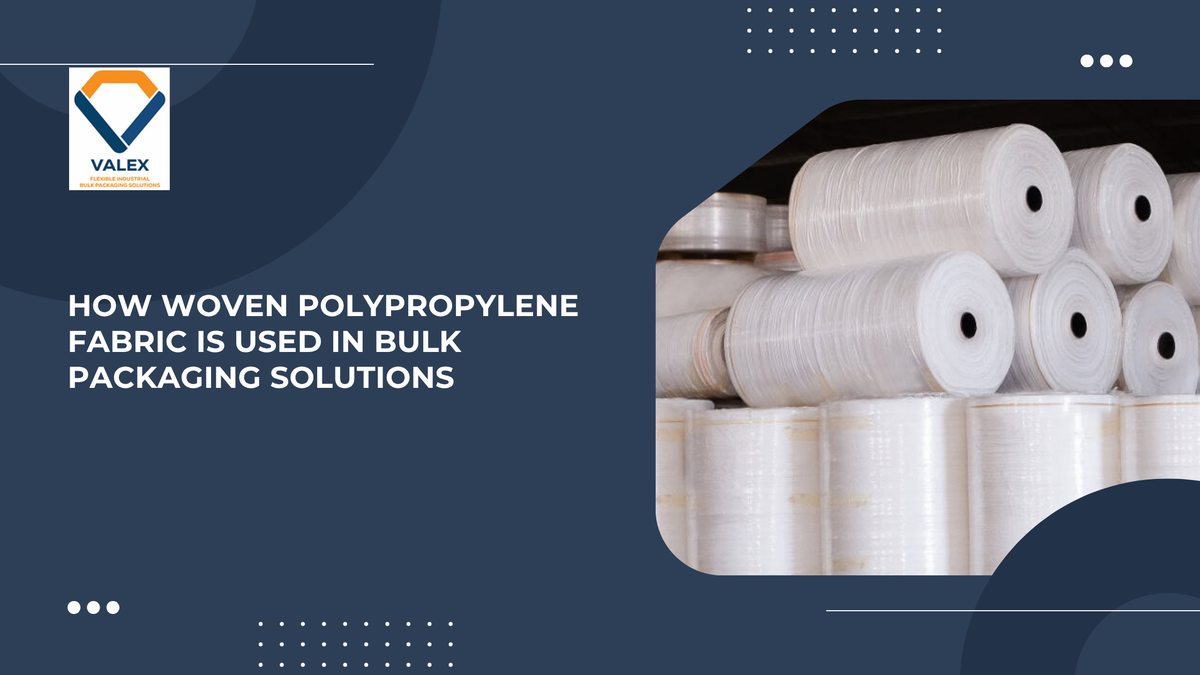
Woven polypropylene material has changed the way goods are transported globally - from factories to farms to every port - replacing steel drums and other rigid containers in millions of operations. In this post, we will talk about how woven polypropylene fabric is produced, what gives it great durability when carrying weight and how it enables today's bulk packaging solutions.
What Exactly Is This Woven Fabric Material?
Woven polypropylene fabric is a tightly woven polypropylene strip, developed into a strong but lightweight fabric. The interlocked woven material enables the fabric to distribute loads evenly. This explains its ubiquity as the fabric choice for FIBC bulk bags in industries in the UK.
The interwoven construction is what distinguishes polypropylene material from plain plastic film. If one of the tapes gets nicked or scratched, the surrounding tapes will still help to carry the weight as shared loads. This is one major reason why woven PP fabric is the preferred standard used in FIBC bulk bags throughout the various industries in the UK.
Why This Woven Polypropylene Performs So Well Under Pressure
Woven fabrics are commonly used as bulk packing materials because they possess three positive attributes: they are lightweight with an excellent strength-to-weight ratio; they are water and many chemical-resistant; and they can be furnished with additional protective features where necessary. Because of the excellent strength-to-weight ratio of polypropylene, a Woven Polypropylene bag can safely hold between 500 kg and 2000 kg and only weighs a few hundred grams.
Most categories of woven polypropylene fabrics have natural moisture resistance and chemical resistance, and manufacturers can use chemical additives, including ultraviolet (UV) stabilisers, to enhance their durability when exposed to outdoor elements for extended periods of time.
Polypropylene has a resin identification number of 5, which is a category commonly recognised under the recycling guidelines of the UK and EU. This recyclability is partly why Valex Ventures uses recyclable materials in their production of woven polypropylene bags, allowing for high-strength bags while being environmentally responsible.
Fabric weight (measured in grams per square metre or GSM) can be adjusted based on the application. For example, heavier GSM woven polypropylene fabrics will resist abrasion for both mineral products and construction aggregates while using lighter constructions for common dry products such as plastic granules or animal feed.
From Construction Sites to Food Plants: How Bulk Bags Use This Fabric
Because this woven fabric material can be engineered in different weights and weave densities, it shows up across several bag designs. U-panel FIBCs offer a cost-effective, simple solution for storage and shipping. Baffle FIBCs are manufactured from a similar woven fibre but have an additional manufacturing process which provides a square shape; this provides more FIBCs per pallet and shipping container.
Valex Ventures' full range of FIBC bulk bags contains multiple variations in design and are manufactured from only quality-checked woven polypropylene fabric manufactured to UK Industrial standards.
Built to Order: Customising This Fabric for Every Industry
Each supply chain has unique handling procedures for their products, so the type of woven fabric material used in making FIBCs is not the same across all supply chains.
Therefore, depending on the manufacturer's needs, the materials used can vary greatly; as a result, manufacturers change GSM, add UV stabilisers to protect the FIBC from UV damage, use internal coatings if the FIBC will contain moisture-sensitive products, or use food-grade woven PP fabric that meets BRC standards if containing dry food products. Additionally, chemical and pharmaceutical buyers often require an additional liner or require an antistatic treatment as an integral part of the basic FIBC fabric.
Some companies with specific packaging needs that require custom filling, discharging or branding can create a custom-made FIBC from the same reliable polypropylene material that the manufacturer is currently utilising, but specifically designed to meet the customer's fill, discharge and branding requirements.
Bottom Line
Woven fabric material has become the standard for bulk packaging due to its ability to balance strength (durability), weight, cost and recyclability; far better than its film-based and non-woven competitors. Thus, when goods are shipped, whether it is fertiliser, dry food ingredient or construction aggregate, the quality of the FIBC fabric will directly affect the safety of the goods being shipped. If you are looking for an FIBC bulk bag made out of certified and export-worthy FIBC fabric, please contact Valex Ventures today for a personalised quote that fits your needs.
Frequently Asked Questions
1. What is FIBC fabric made from?
FIBC Fabric consists of Polypropylene (PP) Resin that is extruded into flat strips and woven to create a textile structure using a loom.
2. Is woven PP fabric recyclable?
Yes, woven PP has a resin identification code of 5 and can be recycled at most recycling centres in the UK after it has been cleaned and separated from other materials.
3. What GSM is typically used for FIBC bulk bags?
The GSM typically falls between 120 to 250 grammes per square metre, depending on the overall weight of the load and the type of product it carries.
4. Why is woven fabric material preferred over plastic film for bulk bags?
Woven fabric distributes the stress across many strands (woven) rather than a single layer of plastic (film), therefore providing greater tear strength than a single piece of plastic.
5. Can this fabric be used for food-grade packaging?
Yes, FIBC Fabric is suitable for food-grade packaging when manufactured and certified to the appropriate standards such as BRC.


