
UN approved packaging is a legal and technical standard for containers used to transport hazardous and regulated goods. When a package carries the UN mark it means the container has passed a set of internationally recognised tests and is certified for use with specific hazard classes and packing groups. Here we'll explain what is UN approved packaging, its requirements and how to use it correctly is essential for shippers, manufacturers and logistics teams handling dangerous goods.
Safety and legal compliance: UN approved packaging reduces the risk of spills, leaks and accidents during handling and transport. Using non compliant packaging for hazardous material can lead to regulatory fines, shipment delays and serious safety incidents. Many carriers and customs authorities will not accept consignments if the packaging is not UN approved.
Clear expectations for handlers: The UN mark provides clear, standardised information about maximum gross mass, packaging type and packing group suitability. This helps loaders, drivers and emergency responders understand how to handle a consignment safely.
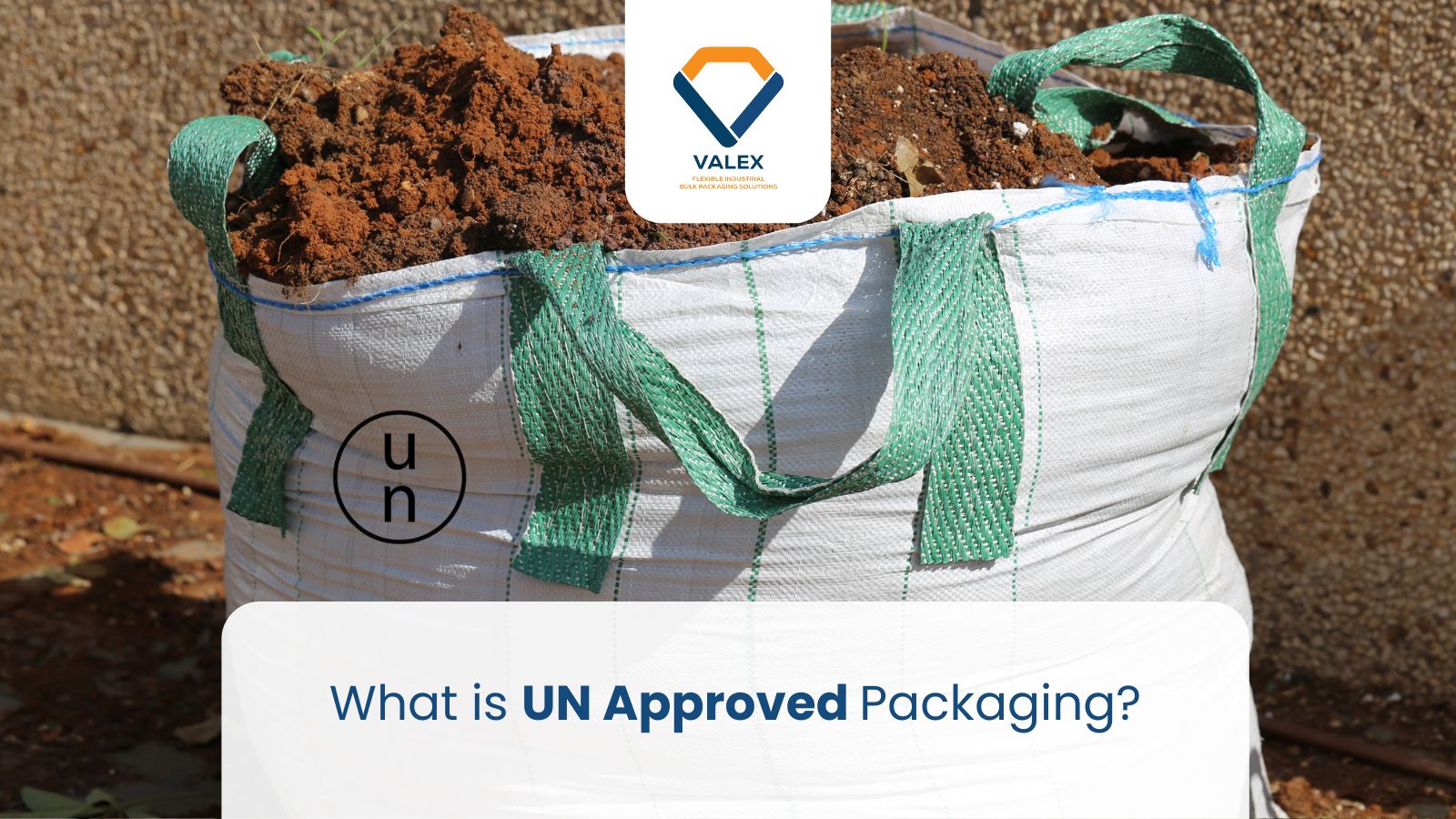
A UN approved package will display a printed code. The code typically includes:
Always check that the UN marking on the physical package matches the certification documents supplied by the manufacturer.
Core performance tests
To earn a UN mark, packaging usually undergoes a series of laboratory tests that may include:
Rigid and flexible options
UN approved packaging covers a wide range of container types. Common categories include:
Each type has specific UN classifications and is used for particular hazard classes and packing groups.
1. Match packaging to the product
First identify the hazard class and packing group of your product. Then select a packaging type and UN rating that matches those requirements. Never assume a package is suitable simply because it looks robust.
2. Check documentation and traceability
Request the certificate of conformity and test reports from your supplier. The certificate must match the UN marking on the bag or container batch and show the accredited test laboratory.
3. Follow filling and handling rules
Fill and close UN approved packages according to the manufacturer's instructions. Overfilling or improper sealing can void certification. Use appropriate palletising and securement methods to maintain the package's integrity in transport.
4. Reuse and repair rules
Some UN certified packages are single use and some may be reconditioned or reused under strict conditions. Always follow the documented reuse policy and carry out the required inspections and tests before reusing a UN certified container.
UN approved packaging is used for transporting chemicals, solvents, pesticides, lithium batteries in some forms, corrosives, oxidisers and other dangerous goods. Industries that rely on UN approved packaging include chemical manufacture, pharmaceuticals, mining, agriculture and waste management.
Using non compliant packaging can result in rejected shipments, regulatory fines and liability for losses in the event of a spill. Non compliance also increases risk to personnel and the environment. Always prioritise certified UN approved packaging for regulated goods.
Using UN packaging is very important for safe, legal transport for hazardous and regulated goods. Knowing about UN approved packaging helps you understand the marking, tests, correct usage and documentation required to move dangerous materials responsibly. Match the UN rating to your product, verify certificates, and follow filling and reuse rules to stay compliant and safe.
Valex with over 20 years of experience in industry, is the best UN approved FIBC bulk bag manufacturer.
Contact Valex today to get a quote for the best FIBC bag.
1. How can I reuse FIBC bags?
You can reuse FIBC bags by refilling them with the same product, using them for internal storage, converting them into liners or covers, repurposing for landscaping, or returning them to a reconditioning programme.
2. Are used bulk bags good or bad?
Used bulk bags can be very good if they pass inspection, are clean and meet multi-trip ratings. Bags that are damaged, UV-degraded or contaminated should not be reused for load-bearing or food applications.
3. What are the benefits of reusing bulk bags?
Benefits of reusing bulk bags include lower procurement costs, reduced waste, improved supply resilience and a smaller environmental footprint through extended product life.
4. Can FIBC bulk bags be reused for food or sensitive products?
Fibc bulk bags reuse for food is possible only when they are certified multi-trip, have food-grade liners, are thoroughly cleaned and traceable. Always follow supplier guidance and food-safety regulations.
5. How many times can you reuse FIBC bags?
There is no universal number. Reuse limits depend on the bag's safety factor, condition and manufacturer guidance. Record each cycle and follow the bag maker's recommended reuse count.
6. How do I inspect used bulk bags for reuse?
Inspect visually for tears, seam failure, damaged loops, abrasion and UV embrittlement. Check liners for residues and smell. Perform any required lift tests before returning a bag to service.
7. How should I clean and recondition used FIBC bags?
Remove loose residue, wash or pressure clean where permitted, dry thoroughly and reseal. For food or hazardous products use certified reconditioning services that provide validation and traceability.